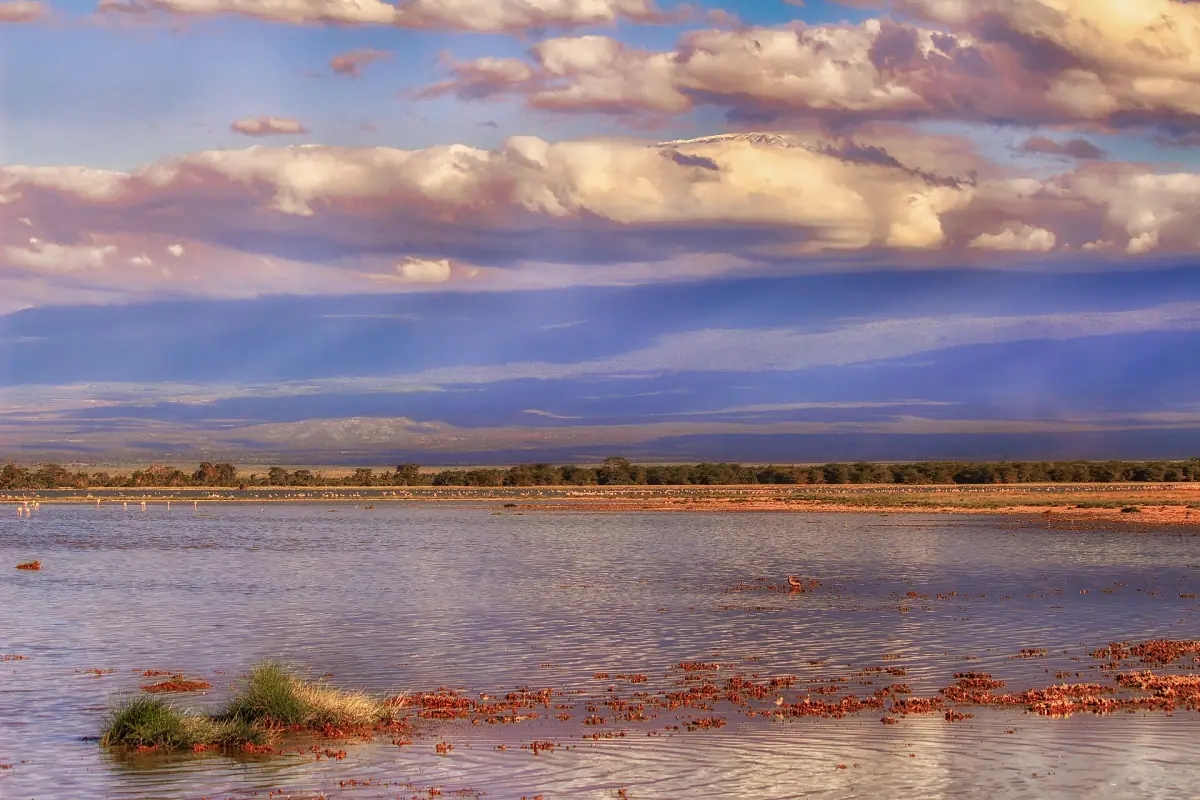
Amboseli weather at a glance
Amboseli lies in southern Kenya at the foot of Kilimanjaro. Rain falls in two seasons. The long rains run from March to May and the short rains from October to December. Between them come a long dry season from June to October or November and a shorter one from December to February. The months at the edges overlap, because the pattern shifts from year to year.
Treat the seasons as a regional pattern, not a timetable. Heavy rain can arrive early or late, and a dry month can still bring a storm. If you are planning a trip around the weather, compare the dates with the Amboseli safari tours you are considering, and check how each one handles a rainy day.
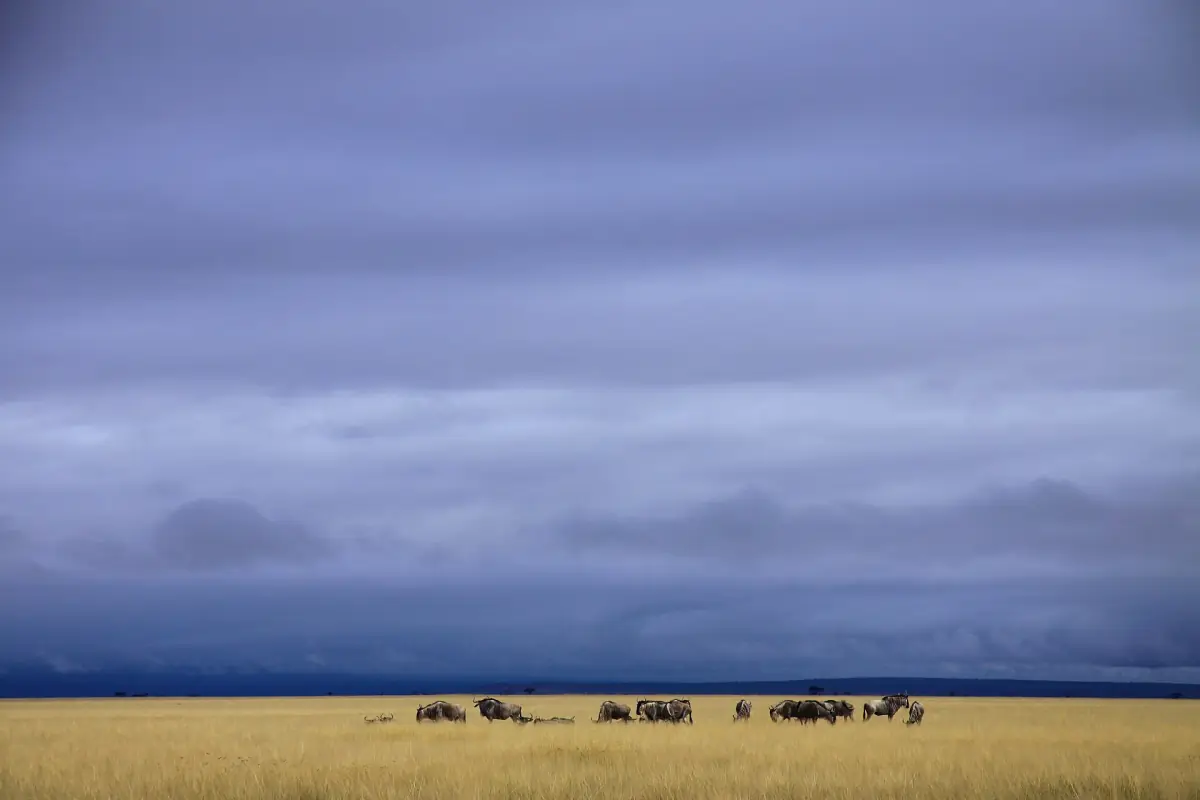
The year in four seasons
A regional pattern, not an annual schedule.
| Season | Months | What to expect |
|---|---|---|
| Long rains | March to May | Rain across the region; floods hit the area in March 2026 |
| Long dry season | June to October or November | Little or no rain; the swamps still hold water |
| Short rains | October to December | Showers return; the start differs from year to year |
| Short dry season | December to February | A shorter break between the rains |
For most first-time visitors, the long dry season from June to October is the simplest time to plan around, because rain is least likely to disrupt your day. If your dates fall in a rainy season, keep your plans flexible.
Our pick: an early start for clear mornings
Mornings are often the clearest time of day in Amboseli, and this day trip from Nairobi starts early.
Hand-picked tours, booked through Viator. Prices are indicative starting prices in US dollars (as of October 2026). Tap a tour for live availability and the current price in your currency.
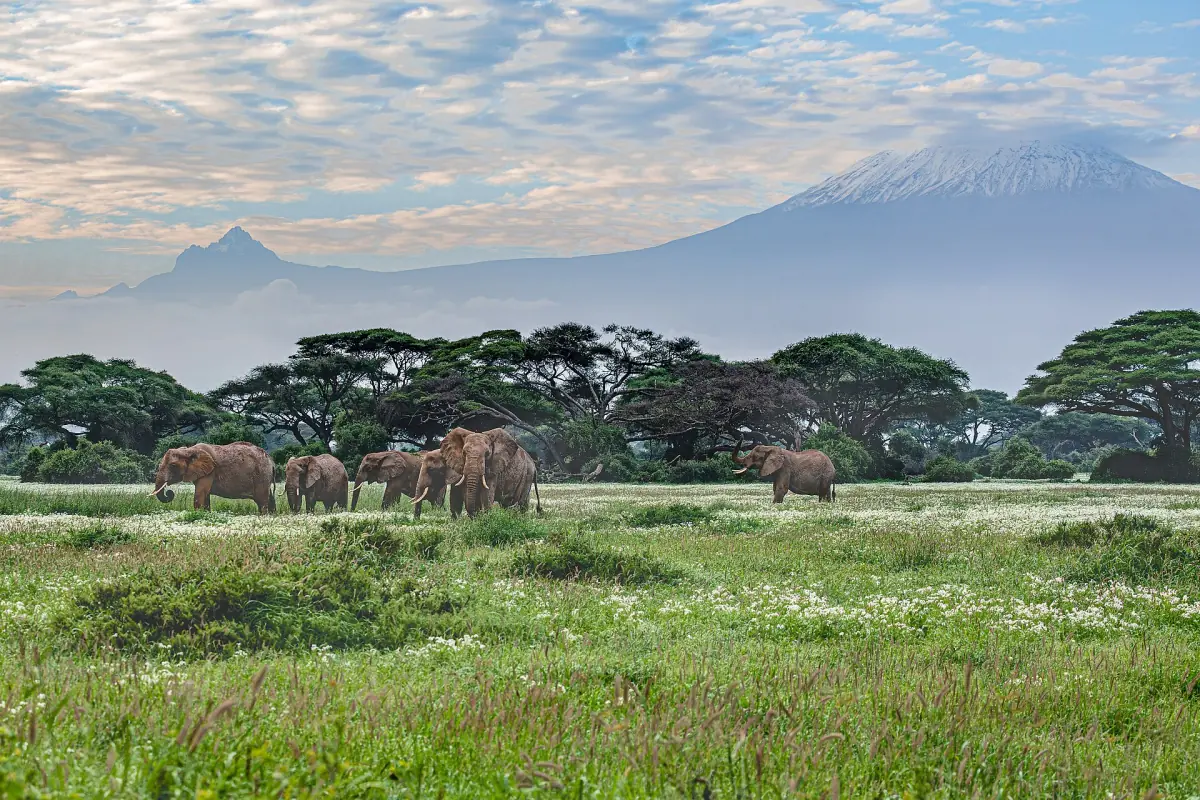
Amboseli tours for any season
Day trips from Nairobi and multi-day safaris to Amboseli, with live prices and availability.
Best time to visit Amboseli
The answer depends on what you want from the trip.
For easy planning
The dry months from June to October carry the lowest chance of rain disrupting a game drive or a flight. Short, sharp storms can still happen at any time of year.
For wildlife
No month guarantees a sighting, and there is no ranking of months for animal viewing. The swamps are fed by groundwater that rises from the forested slopes and volcanic soils of Kilimanjaro and the Chyulu Hills, not only by rain. Read more on Lake Amboseli and the swamps.
For the mountain view
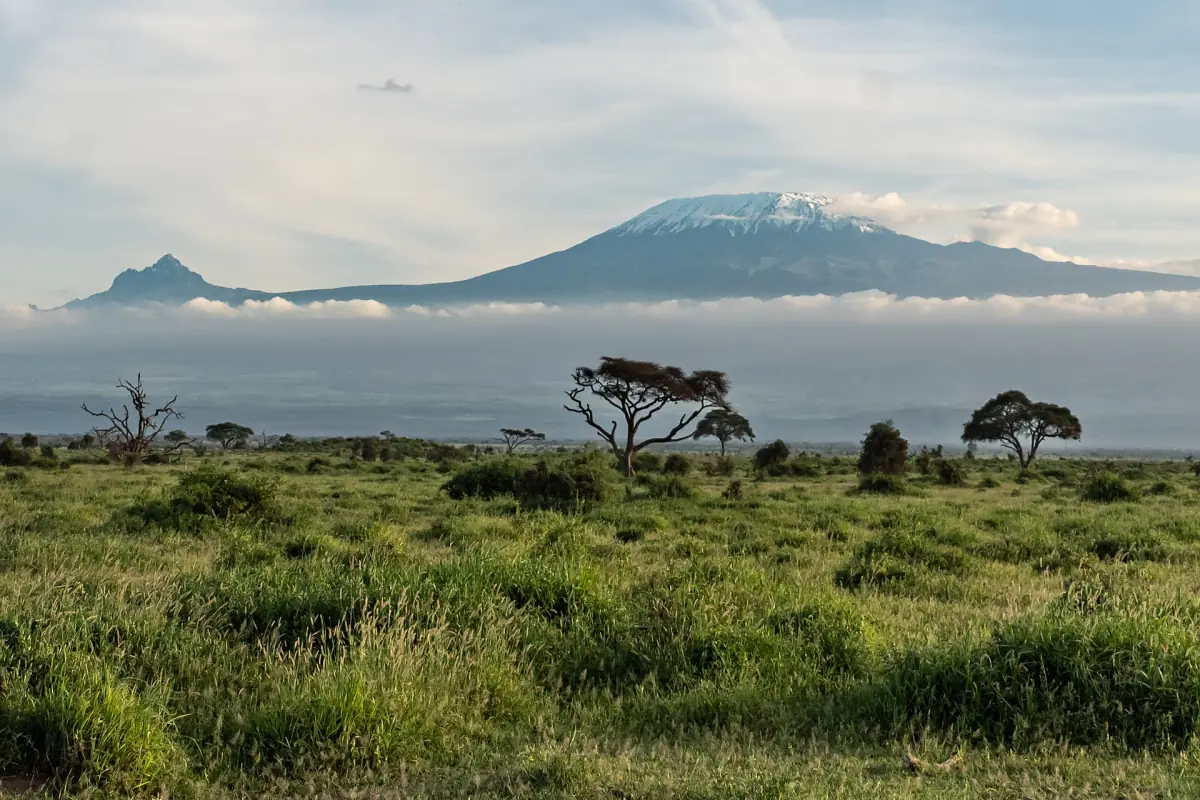
No month or hour promises a clear view of Kilimanjaro. Cloud can sit over the summit in any season. If the mountain matters to you, give it more than one morning. See the Kilimanjaro view page for photo spots.
For a rainy-season trip
After heavy rain, the dry lake basin can turn swampy, and roads and flights can be affected. Floods in March 2026 closed the main airstrip until May. Ask your operator how they handle bad weather. The getting there page covers roads and flights.
Temperatures through the year
Monthly averages in degrees Celsius.
| Month | Average high | Average low |
|---|---|---|
| January | 27.8 | 18.5 |
| February | 29.3 | 19.2 |
| March | 30.3 | 21.1 |
| April | 27.5 | 19.9 |
| May | 27.5 | 17.8 |
| June | 26.7 | 16.4 |
| July | 25.4 | 15.6 |
| August | 26.0 | 16.6 |
| September | 27.2 | 17.2 |
| October | 28.8 | 18.4 |
| November | 27.5 | 19.5 |
| December | 26.5 | 19.4 |
These are regional averages measured at Makindu, about 1,000 m above sea level, so Amboseli itself can differ. High is the monthly mean of the daily highest temperature and low the mean of the daily lowest. They are not records. Expect warm days and mild nights, with the coolest nights in June and July.
For most visitors, the cooler months from June to August are the most comfortable for long days in a vehicle, while February and March are the hottest.
Planning your days around the weather
Gates, light and a few rules.
Gate hours
The park gates are open from 06:00 to 18:00, with an exception for guests staying overnight. Plan your game drives inside those hours, and start early if you want long days in the park.
Plastic and rubbish
The KWS bans single-use plastic in its protected areas and asks you to take your rubbish with you. Bring a refillable bottle.
Driving in the park
Stay on existing tracks, keep to 40 km/h and keep at least 20 m from animals. Wet ground makes the rule about staying on tracks more important, not less.
The Kilimanjaro climb
Weather on the mountain is a separate topic from the weather in Amboseli. Climbers can read about weather on Kilimanjaro itself.
Plan the rest of your trip
Getting there, staying and the views.
Amboseli weather: frequently asked questions
When is the dry season in Amboseli?
The long dry season runs from June to October or November. A shorter one follows from December to February. The edges of both overlap with the rains, and the pattern shifts from year to year.
When does it rain in Amboseli?
The long rains fall from March to May and the short rains from October to December. Treat these dates as a regional pattern, not as a fixed timetable.
What is the best month to visit Amboseli?
No month is best for every purpose. The dry months from June to October are the easiest to plan around, but no month guarantees animal sightings or a clear view of Kilimanjaro.
Can I see Kilimanjaro in every season?
No. Cloud can cover the summit at any time of year, and no season or hour promises a clear view. Allow more than one morning if the view matters to you.
How hot does it get in Amboseli?
Regional monthly averages show highs of 25 to 30 degrees and lows of 16 to 21 degrees through the year, with the hottest months in February and March. Amboseli itself can differ.
Is amboseli-national-park.org an official site?
No. This is an independent travel guide. It is not run by the Kenya Wildlife Service, a weather service, Kajiado County or any safari operator or lodge.