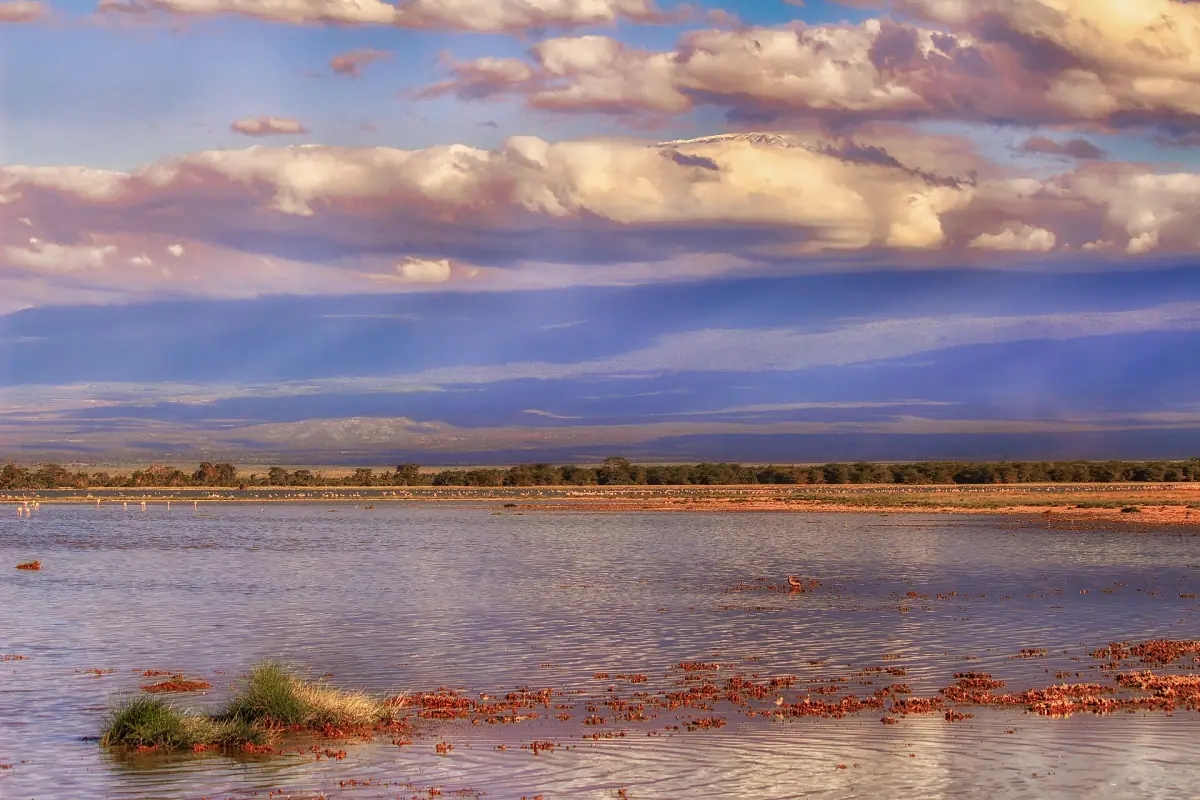
Lake Amboseli and the swamps
Lake Amboseli is not a lake you can count on every day. It is a former lake bed whose ground is dry in some periods and swampy when the water is high. Around it, the swamps stay green, and they are the reason so many animals gather here.
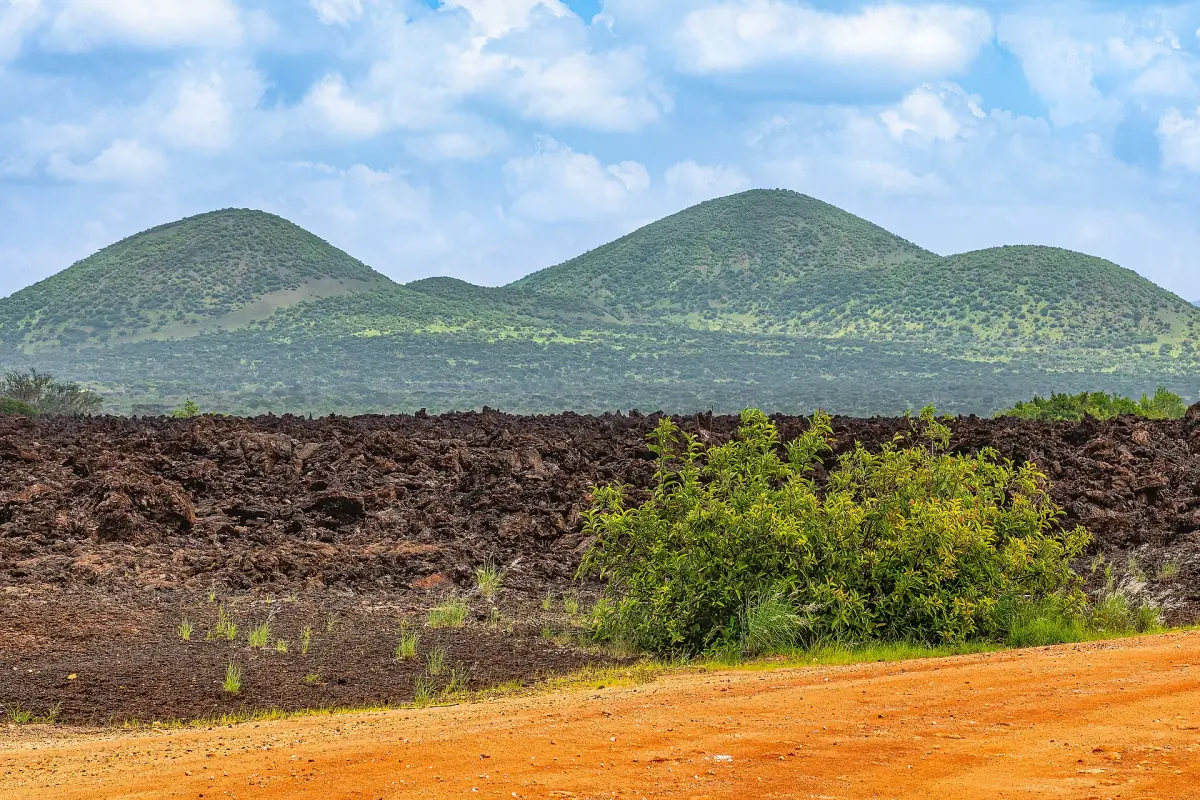
The water arrives mostly from underground. Springs rise from the forested catchments and volcanic soils of Kilimanjaro and the Chyulu Hills, which is why the swamps keep going when the plains around them are dry. It is not direct meltwater from the mountain.
What the water does for the park
A short guide to the wet and dry parts of Amboseli.
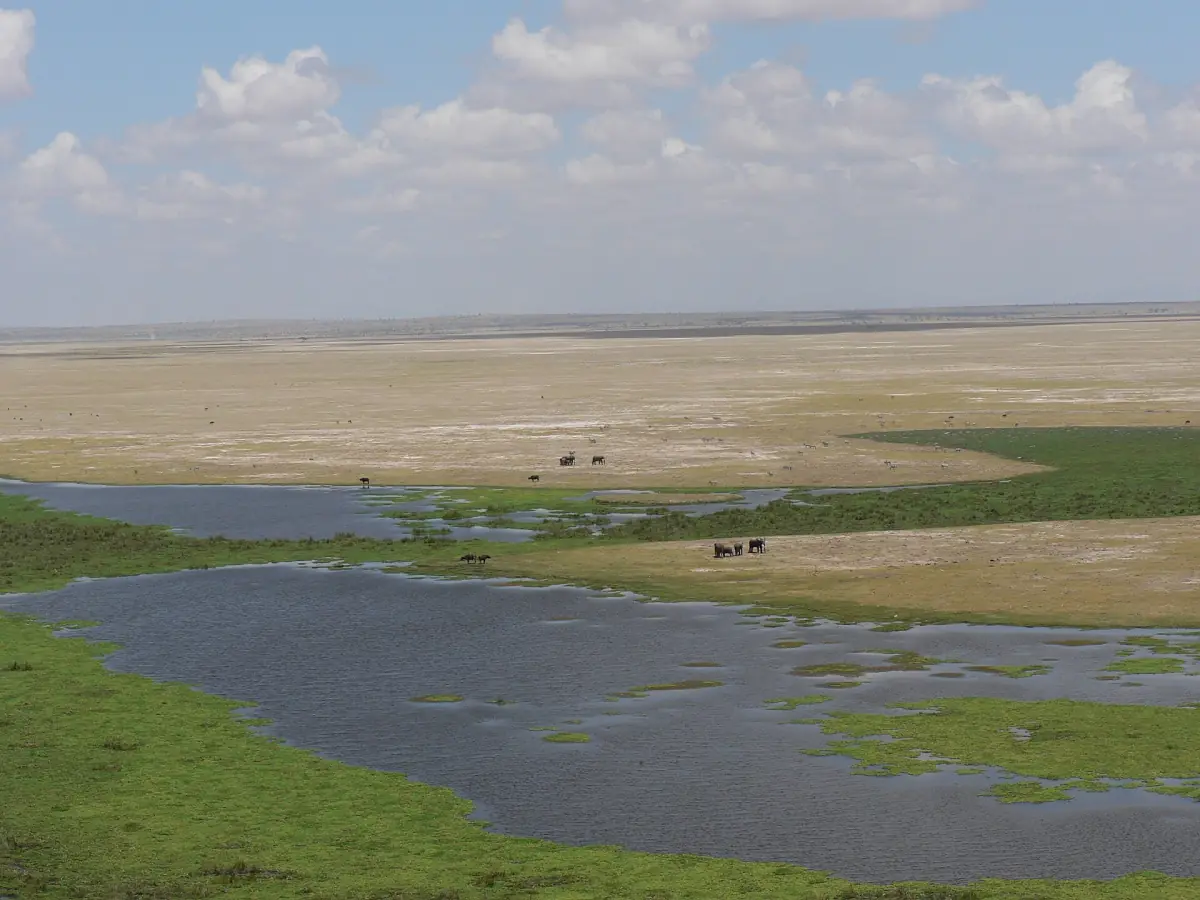
Swamps that keep the park alive
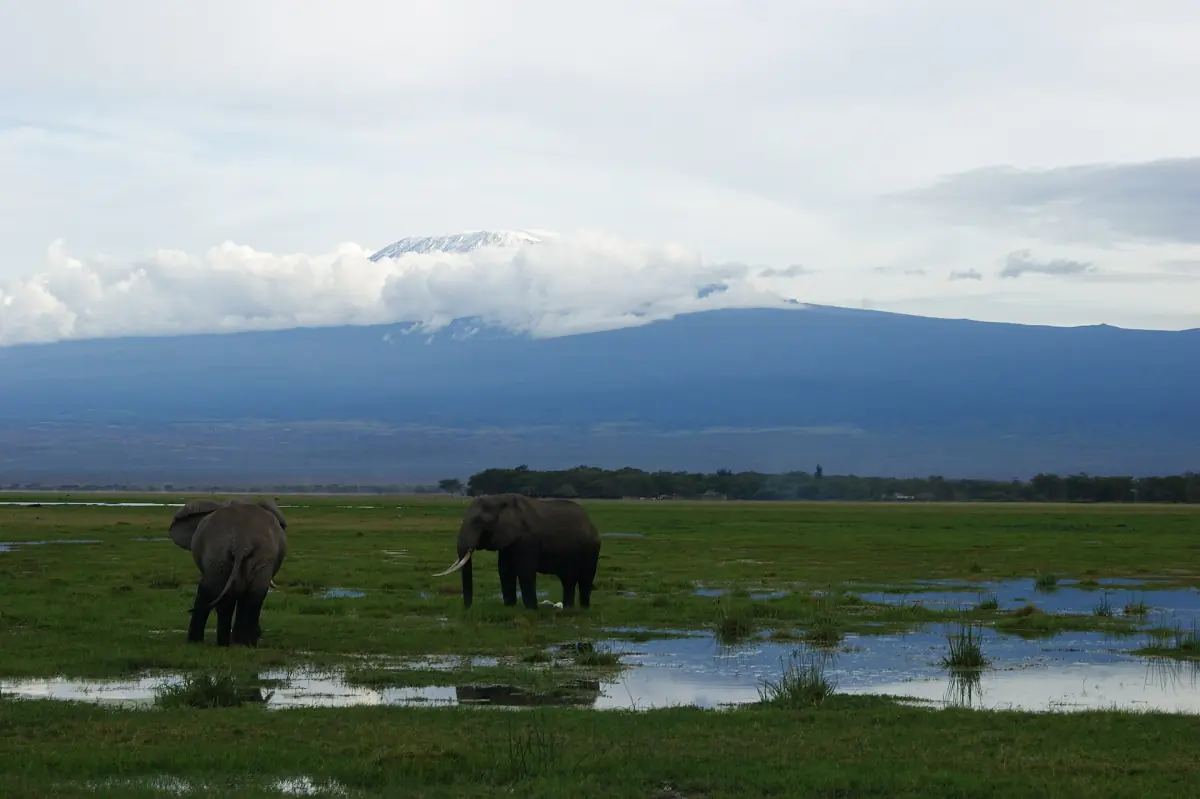
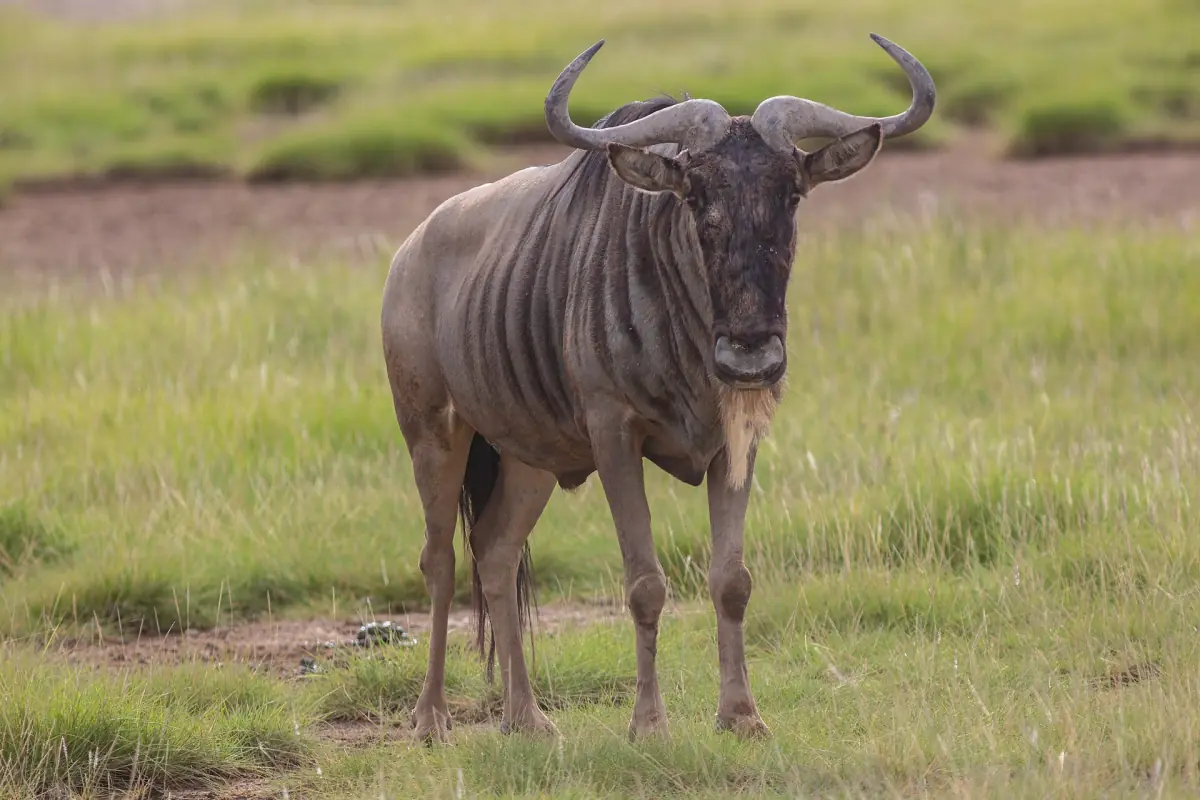
The swamps draw elephants, buffalo and hippos and many birds. Elephants standing in shallow water with the mountain behind them are a classic scene in the park. More about the herds is on the Amboseli elephants page.
A lake bed that changes
The old lake bed is dry ground in some periods and swampy at high water, so it never looks the same twice. Do not expect a permanent open lake, and do not expect a permanently dry plain either.
The mountain as a backdrop
Open water reflects clouds and light, with the mountain on the horizon. The summit can be hidden by cloud at any time, so plan for the scenery first. The Kilimanjaro view page covers the viewpoints.
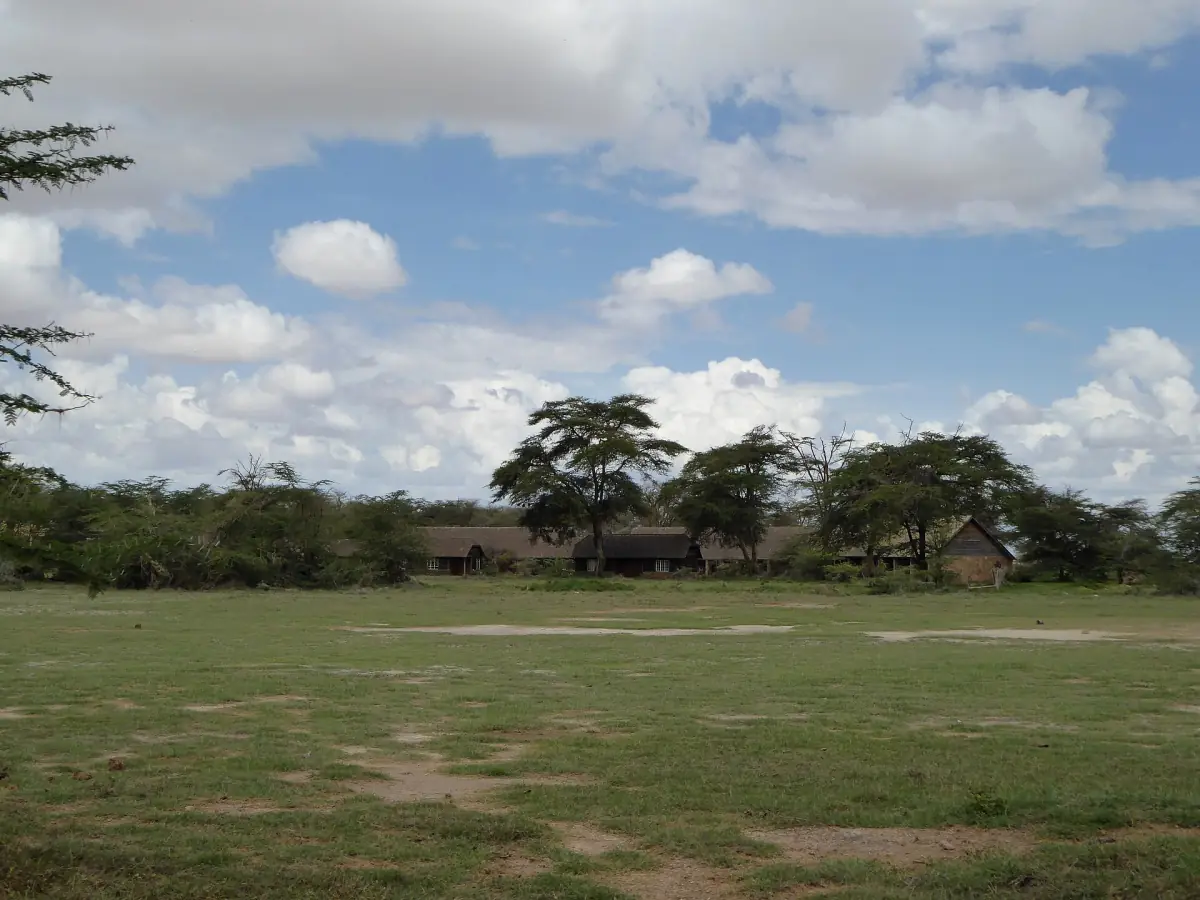
Ol Tukai Orok lies in the part of the park that sees the most visitors, around Ol Tukai, where park lodges and a public campsite near the park office are located. Lodges and camps outside the park boundary have their own surroundings, so ask where the swamps are in relation to your base. The where to stay page explains the areas.
A game drive is the easiest way to reach the wet areas. Day trips and multi-day programs are listed under Amboseli safari.
Our pick: day trip to the swamps
This day trip visits the Enameshera swamp, while a stop at the lake itself is not confirmed in the tour details.
Hand-picked tours, booked through GetYourGuide. Prices are indicative starting prices in US dollars (as of October 2026). Tap a tour for live availability and the current price in your currency.
Amboseli safaris through the swamps
Game drives and multi-day safaris in the park, with live prices and availability.
Observation Hill in Amboseli
The park's lookout over swamp, plain and mountain.
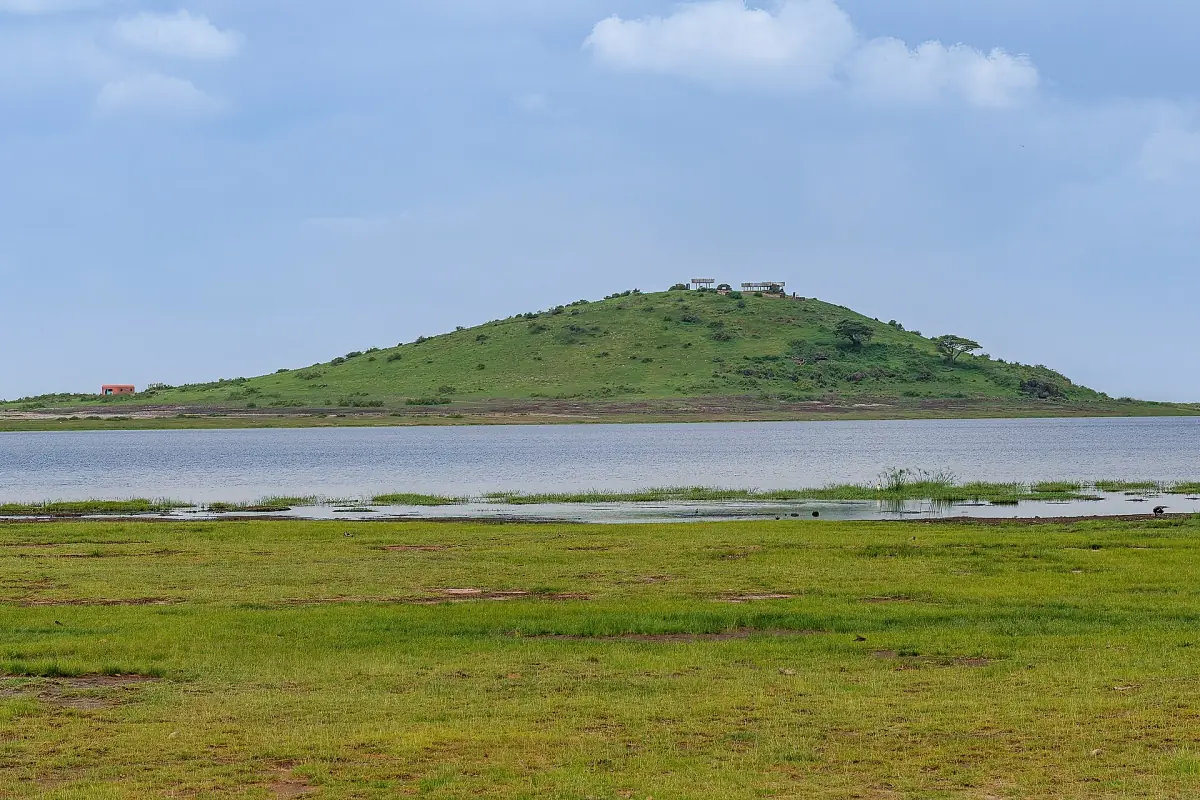
Observation Hill is a green hill that rises above the water and swamp grass. It is the named lookout of the park. Steps lead to the top, and the hill has a rest and picnic area and toilets. If you need step-free access, ask on the day.
From the top you look over the swamps and the plains toward Kilimanjaro. Buffalo and hippos are associated with the swamp below, so bring binoculars. Keep your distance from any animal near the foot of the hill.
The water through the seasons
What dry and wet periods mean for a visit.
| Condition | What it looks like | What it means for a visit |
|---|---|---|
| Dry period | Dry ground on the lake bed, swamps fed from underground | The wet areas stand out and animals gather there |
| Long rains (March to May) | Fuller swamps, wetter ground | Tracks near water can be muddy; ask your driver |
| Short rains (October to December) | Showers return | Conditions vary from year to year |
| Very heavy rain or flood | Water in places that are normally dry | Some tracks may be closed or slow |
For most visitors, the simplest approach is to ask your lodge or driver about current conditions the day before and to leave extra time for slow tracks near the swamps.
Floods, rain and recent years
The water can change fast.
After good rains from late 2024 to May 2025, vegetation was in good condition and animals recovered. In March 2026, heavy flooding hit the area and closed the main airstrip until May. Local conservation scientists link the flooding to raised roads that block natural drainage channels.
Details of what is open change, so check the situation with your operator before you travel. The getting there page covers the airstrip and roads, and the weather page explains the seasons.
Birds and swimming
Two practical points for wet areas.
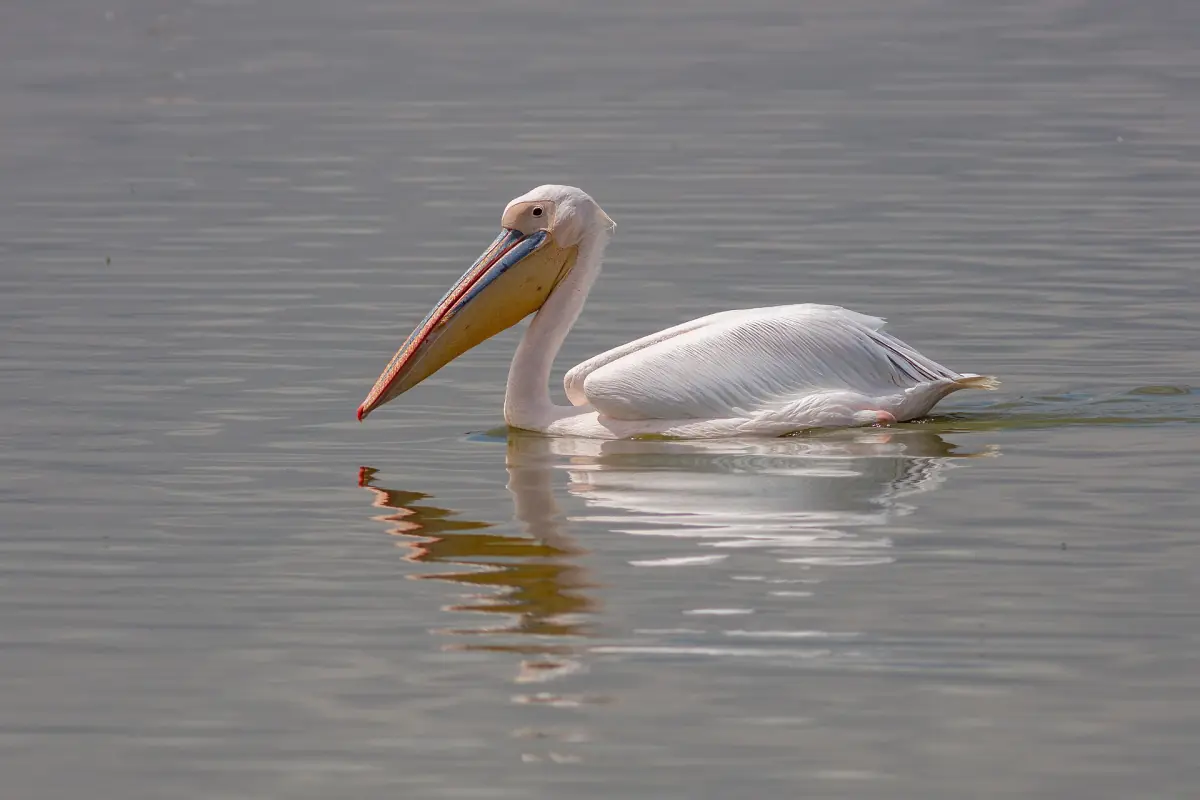
The park has more than 400 bird species, and wet areas are a natural place to look for water birds. A pair of binoculars helps on the hill and from the vehicle.
Swimming in lakes and rivers in Kenya's national parks is not allowed, and that includes the water in Amboseli. Hotel pools are a separate matter. Do not wade into the water.
More about Amboseli
Continue planning your visit.
Lake Amboseli: frequently asked questions
Is Lake Amboseli always dry?
No. The old lake bed is dry in some periods and swampy at high water. It is neither a permanent open lake nor always dry.
Where does the swamp water come from?
Mostly from underground springs fed by the forested catchments and volcanic soils of Kilimanjaro and the Chyulu Hills. It is not direct glacier meltwater.
What is Observation Hill?
It is the named lookout of the park, a green hill with steps to the top, a rest and picnic area and toilets. If you need step-free access, ask on the day.
Can I swim in Lake Amboseli?
No. Swimming in lakes and rivers in national parks is not allowed. Hotel pools are a separate matter.
Which swamps are named in the park?
Longinye and Enkongo Narok are large water sources, and Ol Tukai Orok lies in the busy part of the park.
Is this the official Amboseli website?
No. This is an independent travel guide. It is not run by the Kenya Wildlife Service, Kajiado County or any safari operator.