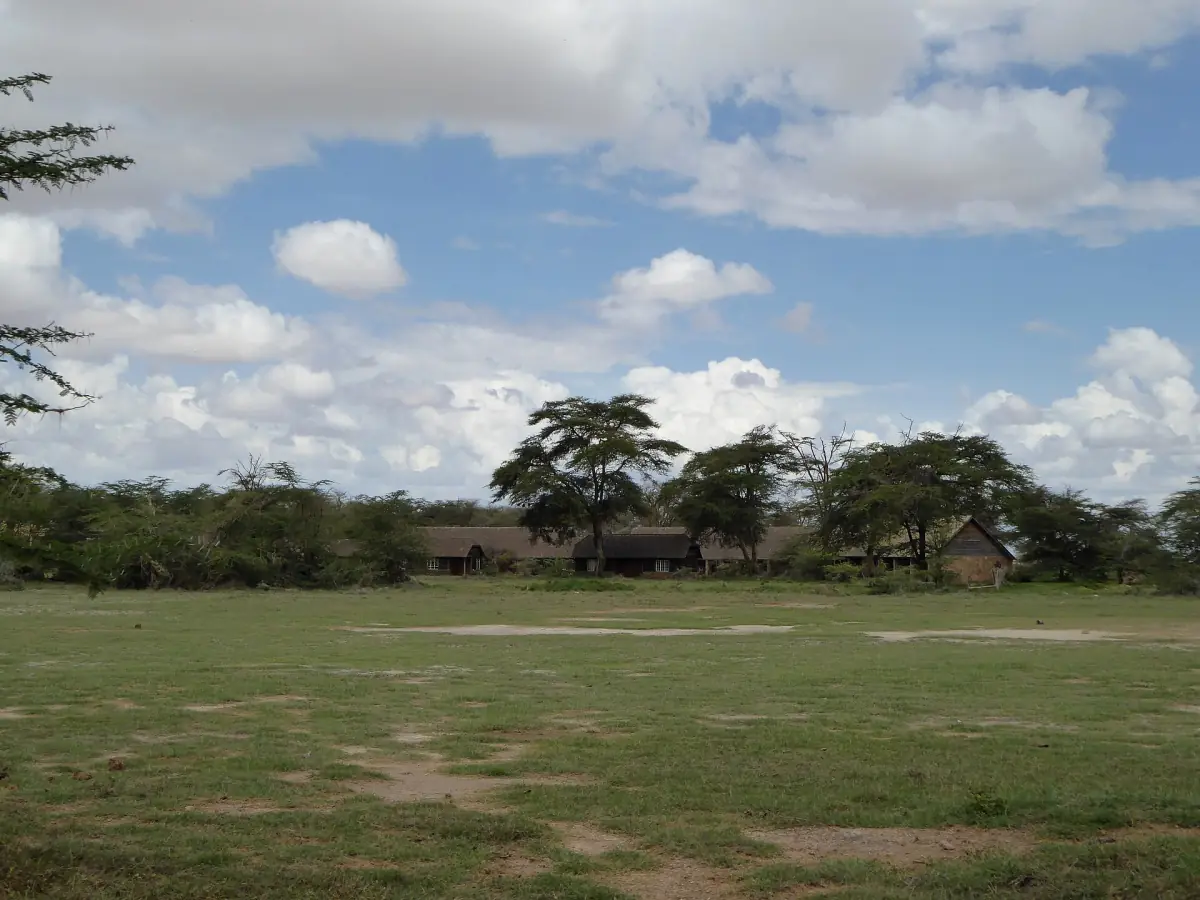
Amboseli National Park history in brief
The land around Amboseli was first protected in 1906, when the Southern Reserve was set aside for the Maasai. In 1948 it came under local administration as a game reserve, and it became a national park in 1974. The gazette notice is dated 1 November 1974.
Two later milestones are often mixed up with the founding. UNESCO named the area a biosphere reserve in 1991, which is a different category from a national park. Elephant research began in 1972, two years before the park existed. If you want to see the park as it is today, you can book an Amboseli day trip or guided safari and read the history on the way.
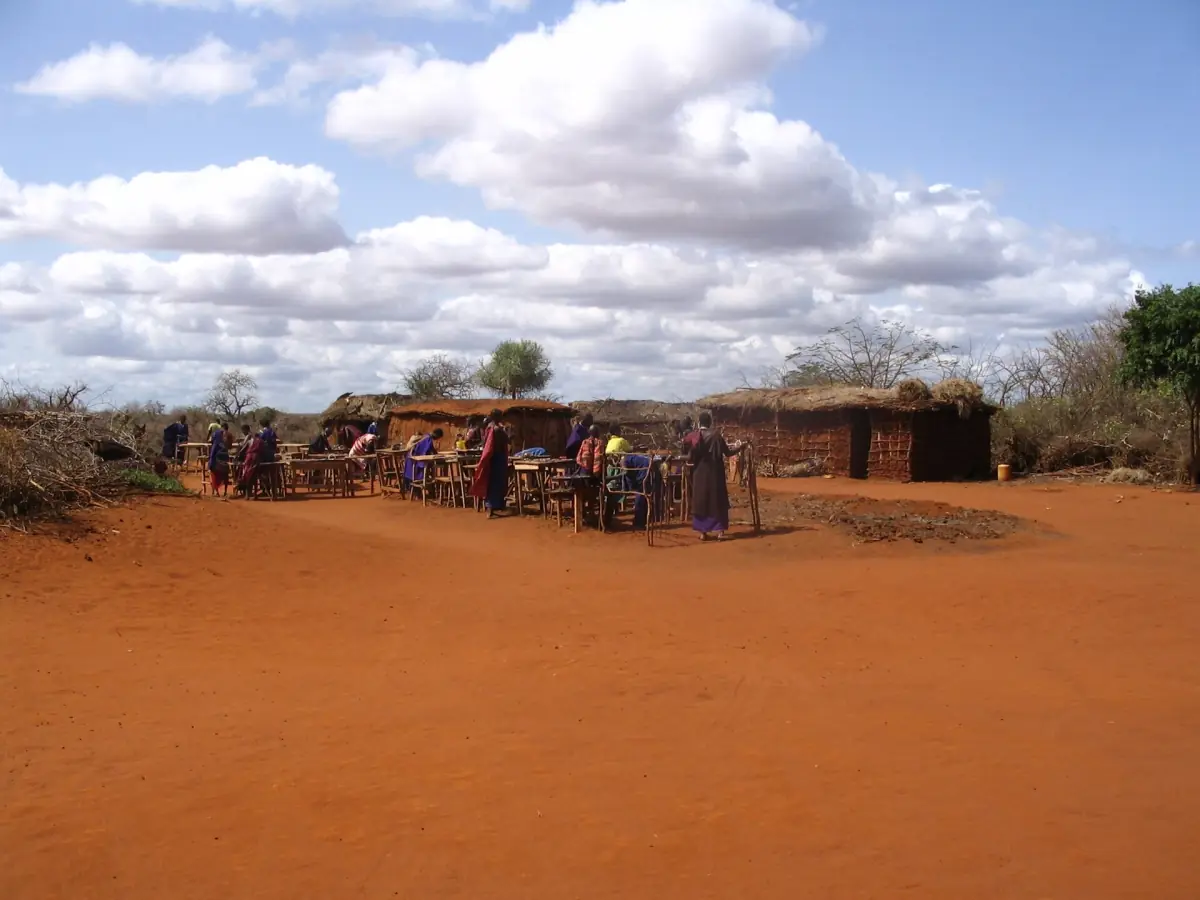
Amboseli tours and safaris
See the park today on a guided safari or a day trip from Nairobi, with live prices and availability.
Key dates in the history of Amboseli
From reserve to national park and biosphere reserve.
1906: the Southern Reserve
The first protection of the land came as a reserve for the Maasai, with people and wildlife sharing the same landscape.
1948: a local game reserve
The area came under local administration as a game reserve, 26 years before it became a national park.
1974: national park
Amboseli became a national park, with the gazette notice dated 1 November 1974. Today the park covers 392.06 km².
1991: biosphere reserve
UNESCO's Man and the Biosphere programme listed the area. It is a conservation designation, not a World Heritage title. The park was proposed for the World Heritage tentative list in 2023, which is not an inscription.
Elephant research since 1972
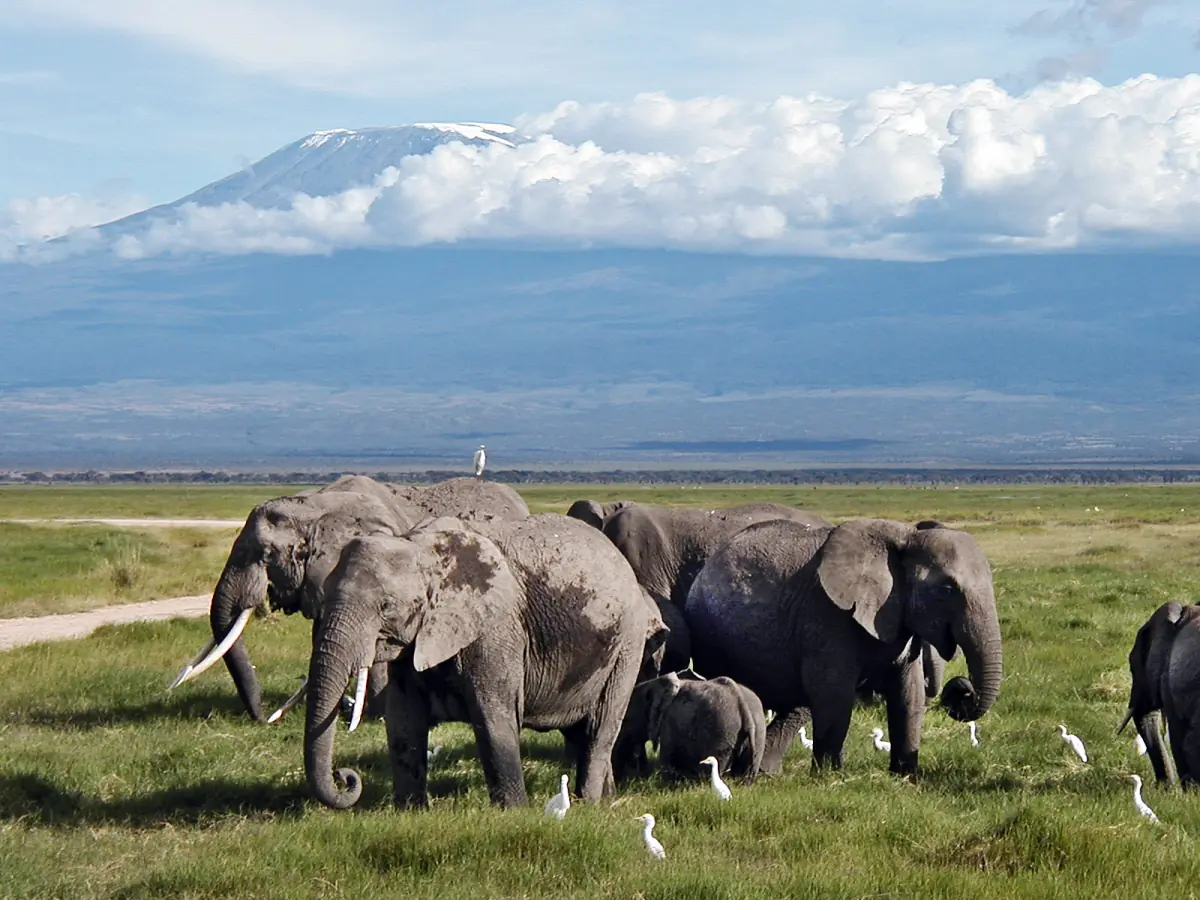
Cynthia Moss began the Amboseli Elephant Research Project in 1972. The Amboseli Trust for Elephants was set up as the legal body in 2000. These are not two separate projects: one is the long running study, the other is the organisation that carries it forward. Together they have followed Amboseli's elephant families for decades.
The trust counted 1,878 known living individuals in its study population at the end of 2023 and 1,903 at the end of 2024. Those animals do not all stand inside the park at once, since the study area is larger than the park. A drought took a heavy toll: 179 deaths in 2022, 67 in 2023 and 14 in 2024, hitting calves and old elephants hardest. Births in 2024 numbered 32. These are the records of past years, not a forecast.
Who manages the park: an open question
Management is the part of the story that is still moving.
2005: a transfer order
A presidential order transferred the park to the Olkejuado County Council and the Maasai. The order dates from before the latest court cases and does not describe today's arrangement.
October 2025: a new transfer
A deed of transfer dated 14 October 2025 was gazetted on 24 October 2025. It said ownership stays with the Kenya Wildlife Service and management functions go to Kajiado.
December 2025 and August 2026: the courts
A court order of 30 December 2025 suspended Gazette Notice 15231 and restored the earlier status. A ruling of 18 August 2026 on a constitutional petition dealt with renewed attempts to take over. The matter has not ended in a final, settled transfer.
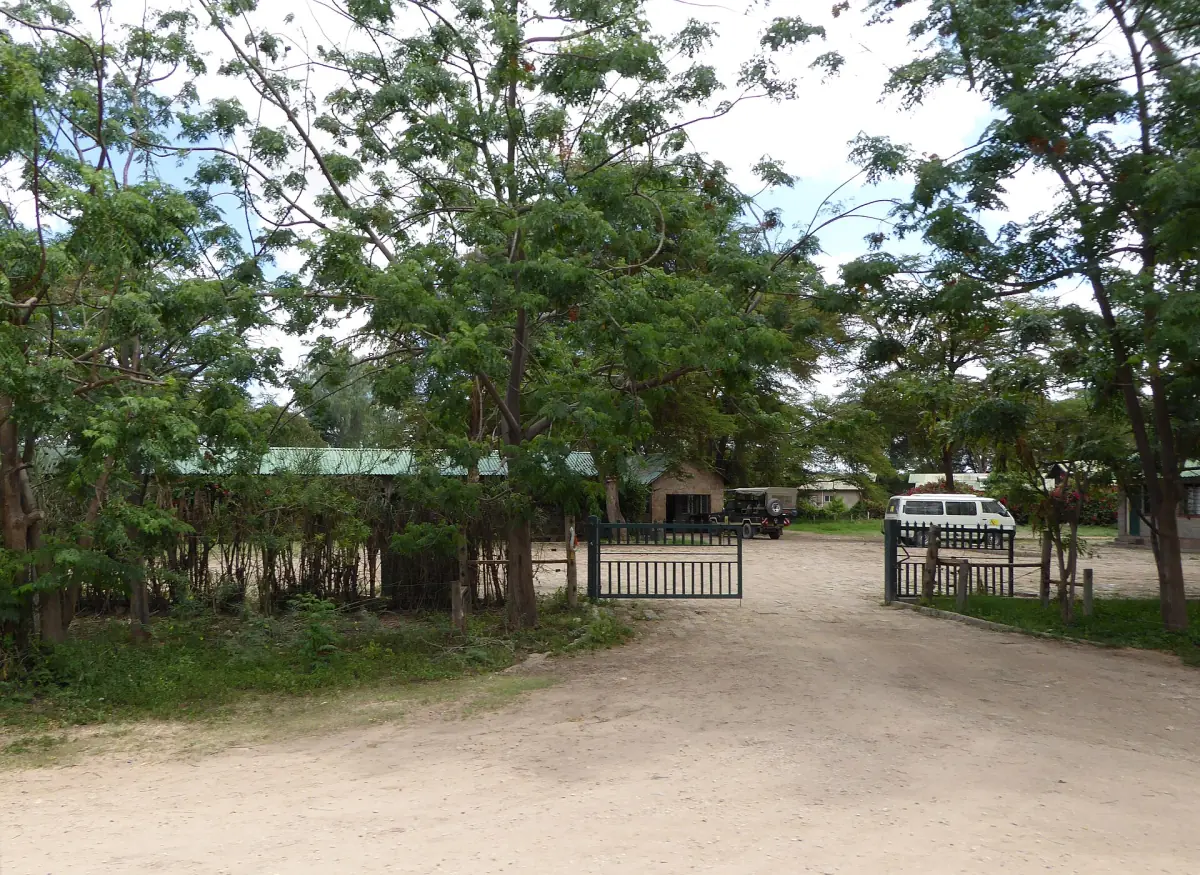
For visitors, the practical side is simple: the park is entered through the gates described on our getting there page, and the fees on the park fees page are the Kenya Wildlife Service tariff in force since October 2025. Check the current position before you plan around anything that depends on who runs the park.
People and land
The history of Amboseli is also a history of land use.
The Maasai are the main population in and around the biosphere reserve. Group ranching, farming and community conservation areas are part of how the land is used. That is why Amboseli is better read as a landscape shared by people and wildlife than as a fenced reserve. For a respectful visit to a community, read the Maasai village page.
Other parks nearby have their own stories. The neighbouring Tsavo parks are the next big protected area to the east, and the history of Nairobi National Park covers the park at the edge of the capital.
Amboseli history: frequently asked questions
When did Amboseli become a national park?
In 1974. The gazette date is 1 November 1974. Before that it was the Southern Reserve for the Maasai from 1906 and a local game reserve from 1948.
Is Amboseli a World Heritage site?
No. It is a UNESCO biosphere reserve, listed in 1991. The park was proposed for the World Heritage tentative list in 2023, which is not an inscription. The World Heritage site Kilimanjaro National Park is in Tanzania.
Who started the elephant research?
Cynthia Moss began the Amboseli Elephant Research Project in 1972. The Amboseli Trust for Elephants became its legal body in 2000.
Does the management dispute affect my visit?
The park fees you pay are the Kenya Wildlife Service tariff in force since October 2025. Since the position can change, check current information before you travel.
Are the famous bulls Tim and Craig still alive?
No. Tim lived from 1969 to 2020, and Craig died in January 2026 at the age of 54. They belong to the history of the park, and the family herds remain the main draw. See the elephants page.