Amboseli and Kilimanjaro: the view
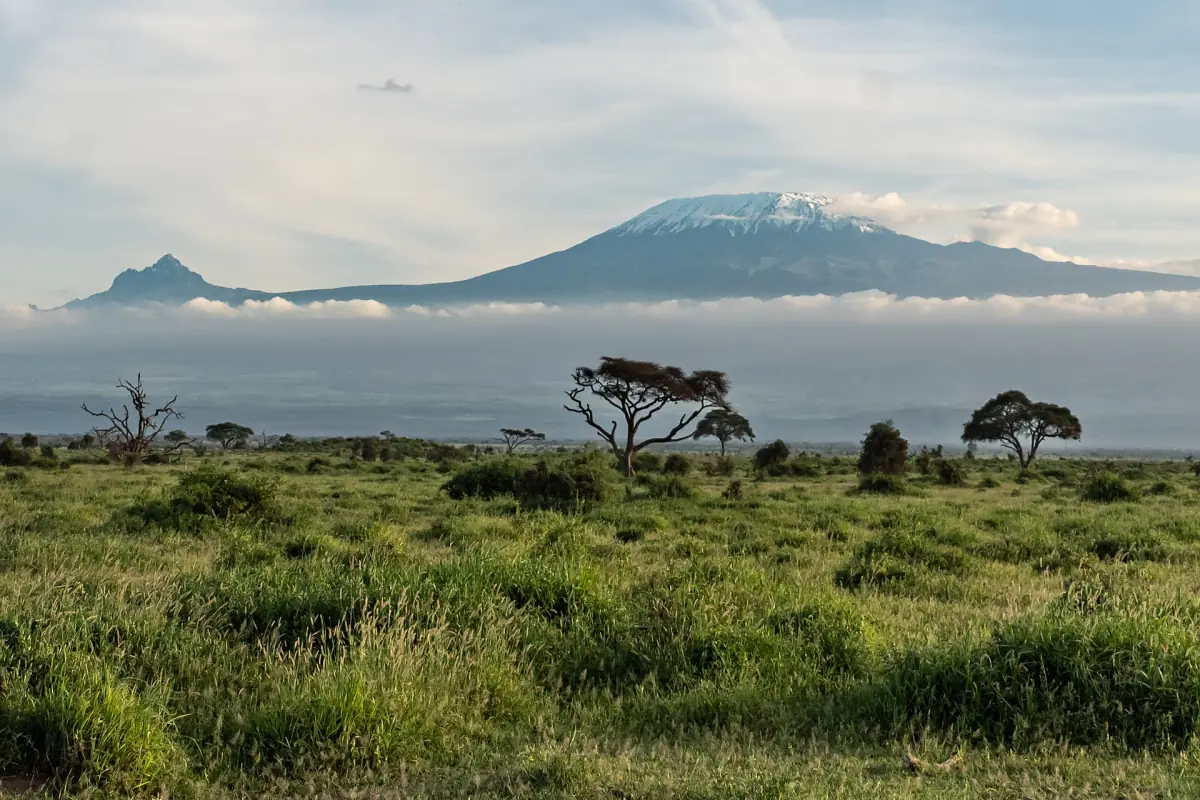
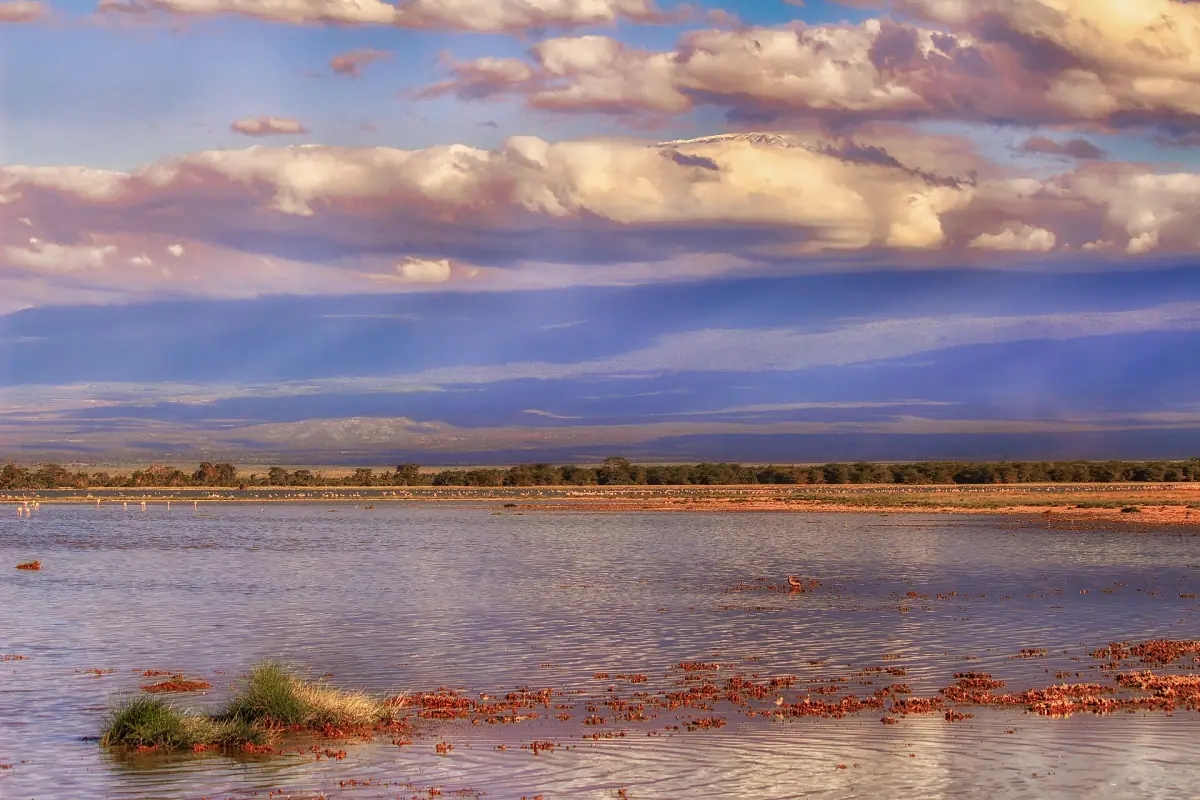
The Amboseli Kilimanjaro view is the main reason many people choose this park. The plains are open, and elephants, wildebeest and acacias stand in front of a very large mountain. The mountain is not in Kenya. It stands across the border in Tanzania, and you see it from the Kenyan side.
The summit is often wrapped in cloud, and it can be hidden at any hour. Plan the trip for the animals and the landscape, and treat a clear summit as a bonus. No month and no time of day can promise it.
Where to see the mountain
Viewpoints and photo settings inside and around the park.
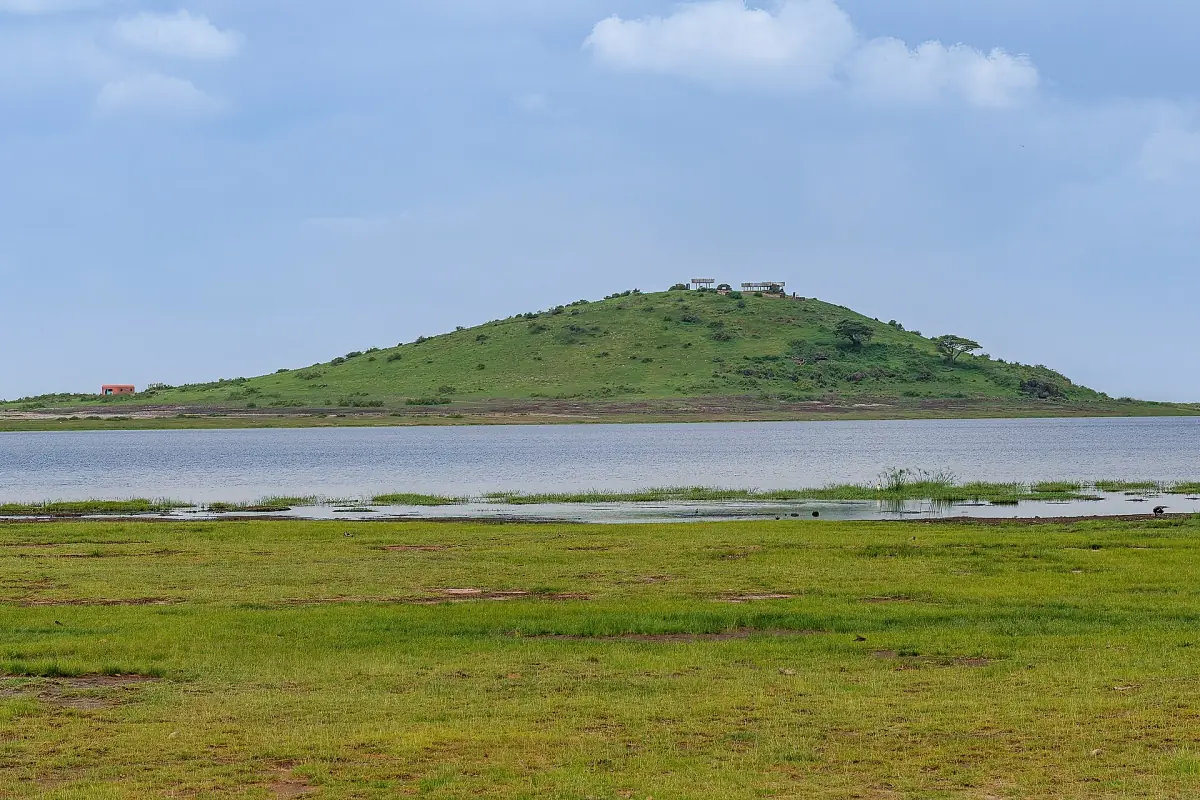
Observation Hill
This is the named lookout of the park. You climb steps to the top and look out over the swamps, the plains and the mountain. The hill has a rest and picnic area and toilets. If you need step-free access, ask on the day. The hill is described in more detail on the Lake Amboseli and Observation Hill page.
Open plains from your vehicle
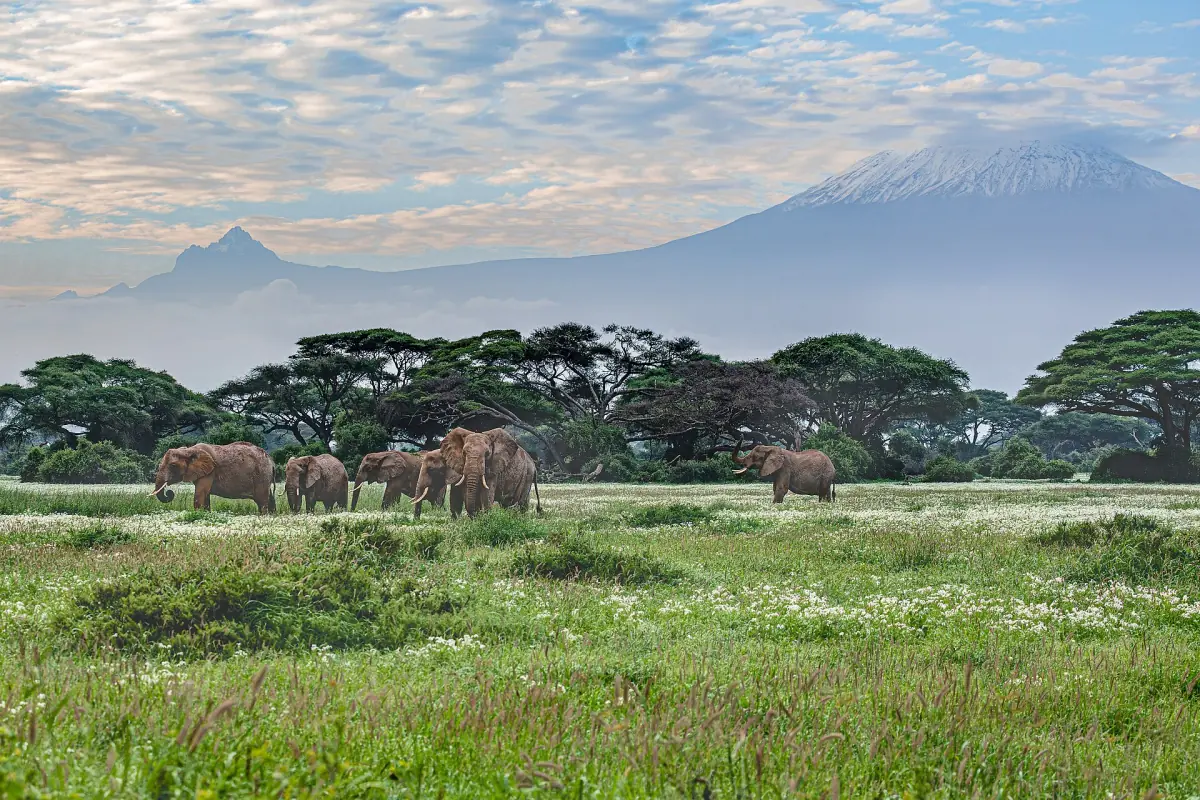
Many good photos are taken from the vehicle on a game drive. Elephants with the mountain behind them, acacia trees and low scrub in front of the summit are common settings. A driver who knows the park can position the vehicle for the light. Day trips and multi-day programs are listed under Amboseli safari.
Around your lodge
Some lodges and camps look out across the grassland toward the mountain. Views differ between places near Ol Tukai and places outside the park, so ask about the view before you choose. Accommodation areas are described under where to stay.
Our pick: three days for the view
The mountain depends on the weather, and two nights in the park area give you more than one morning and evening to catch it.
Hand-picked tours, booked through GetYourGuide. Prices are indicative starting prices in US dollars (as of October 2026). Tap a tour for live availability and the current price in your currency.
Amboseli safaris with Kilimanjaro views
Game drives and multi-day safaris in the park below the mountain, with live prices and availability.
Clear skies: what affects the view
Seasons, cloud and realistic expectations.
The region has two rainy seasons. The long rains fall from March to May and the short rains from October to December. Between them are two dry periods, the longer one from June to October or November and a shorter one from December to February. The edges of these periods overlap, so the dates change from year to year.
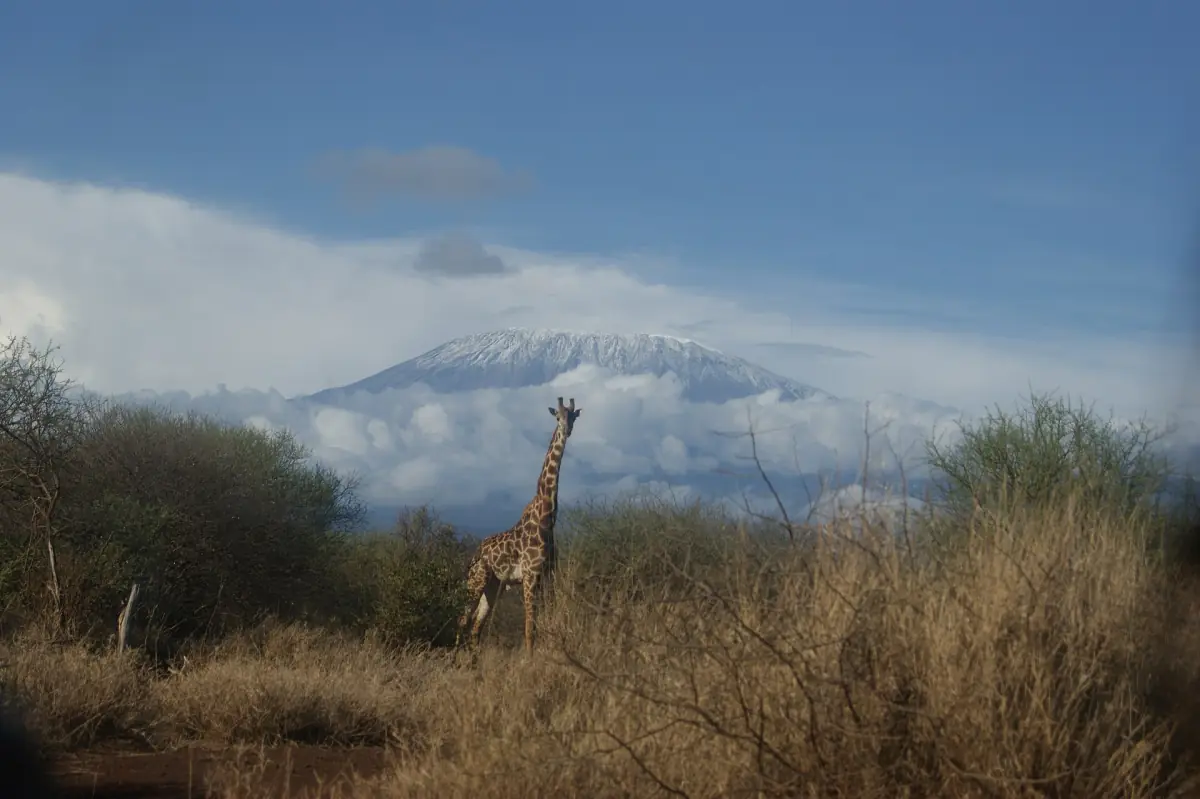
Cloud can still gather around the mountain in a dry month, and it can clear in a rainy one. There is no firm ranking of months by summit visibility, so do not choose dates only for the view.
| Period | Season | What it means for the view |
|---|---|---|
| March to May | Long rains | Cloud and showers are more likely; the summit may stay hidden for longer stretches |
| June to October or November | Long dry period | Fewer showers, but the summit can still be covered |
| October to December | Short rains | Showers return; edges overlap with the dry period |
| December to February | Short dry period | Fewer showers, with no promise of a clear summit |
For most visitors, choose your dates for the animals, the roads and your own schedule, and treat the mountain as a bonus. The Amboseli weather page covers the seasons in more detail.
Photo tips for the mountain
Simple ways to get a better picture.
Use the foreground
A summit alone can look flat. Put acacias, scrub or animals in front of the mountain, and you give the photo scale.
Wait for gaps in the cloud
If the summit is covered, ask your driver to wait for a few minutes while the elephants or other animals are in view. Cloud moves, and the top can appear for a short time.
Keep to the rules
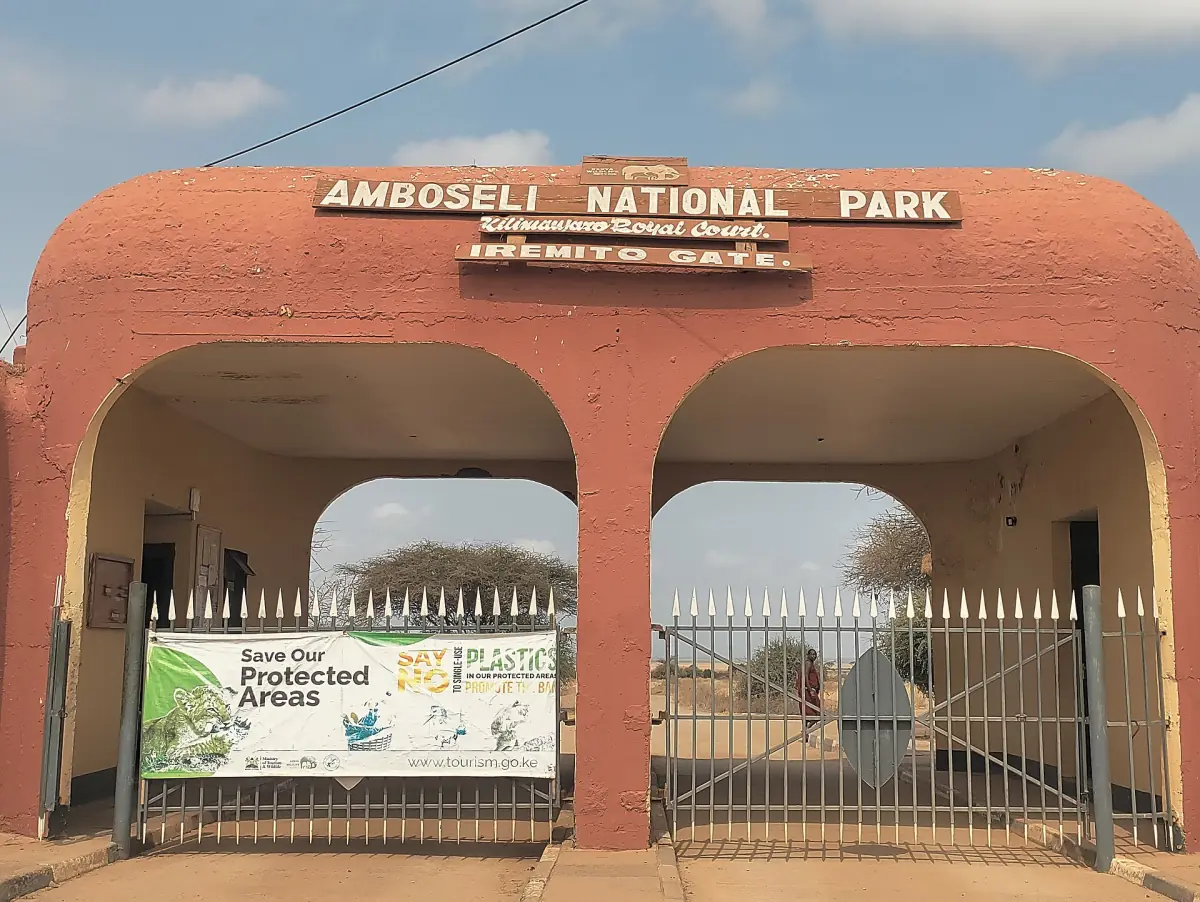
Stay in the vehicle, keep at least 20 m from wild animals and use existing tracks only. Do not leave the track for a better angle. The speed limit is 40 km/h, and the gates are open from 06:00 to 18:00.
Ask before photographing people
Ask for consent before you take photos of people, and ask permission before you photograph private homes. The same applies on a Maasai village visit.
Climbing Kilimanjaro: a separate trip
The mountain belongs to Tanzania.
You cannot climb Kilimanjaro from Amboseli. The mountain is a Tanzanian national park with its own rules, and an Amboseli park ticket is not a mountain permit. A climb needs its own program in Tanzania. Routes, costs and preparation are covered by the Kilimanjaro climbing guide. If you only want the view, Amboseli is enough.
More about Amboseli
Continue planning your visit.
Kilimanjaro views in Amboseli: frequently asked questions
Can I see Kilimanjaro from Amboseli?
Yes, the mountain is the backdrop of the park. Cloud can hide the summit at any time, so a clear view is not guaranteed.
Is Kilimanjaro in Kenya?
No. Kilimanjaro lies in Tanzania. You see it from Kenya, across the border.
What is the best time of day for the view?
No time of day can promise a clear summit. Stay flexible, spend more than one drive in the park and watch for gaps in the cloud.
Where is the main viewpoint?
Observation Hill is the named lookout of the park, with steps up to the top. Many good photos are also taken from the vehicle on the plains.
Can I climb Kilimanjaro from Amboseli?
No. A climb is a separate program in Tanzania, and an Amboseli ticket does not cover it.
Is this the official Amboseli website?
No. This is an independent travel guide. It is not run by the Kenya Wildlife Service, Kajiado County or any safari operator.